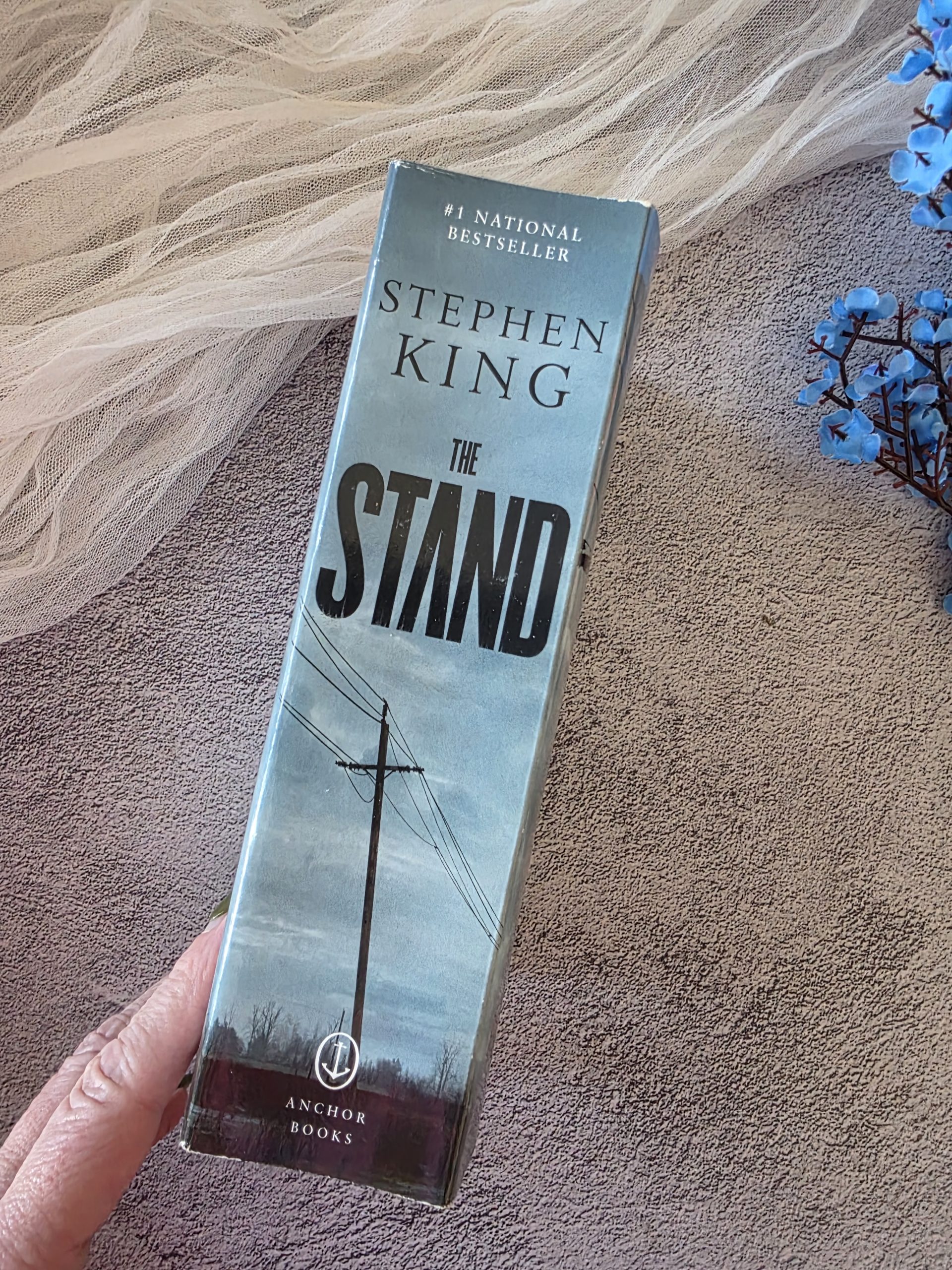
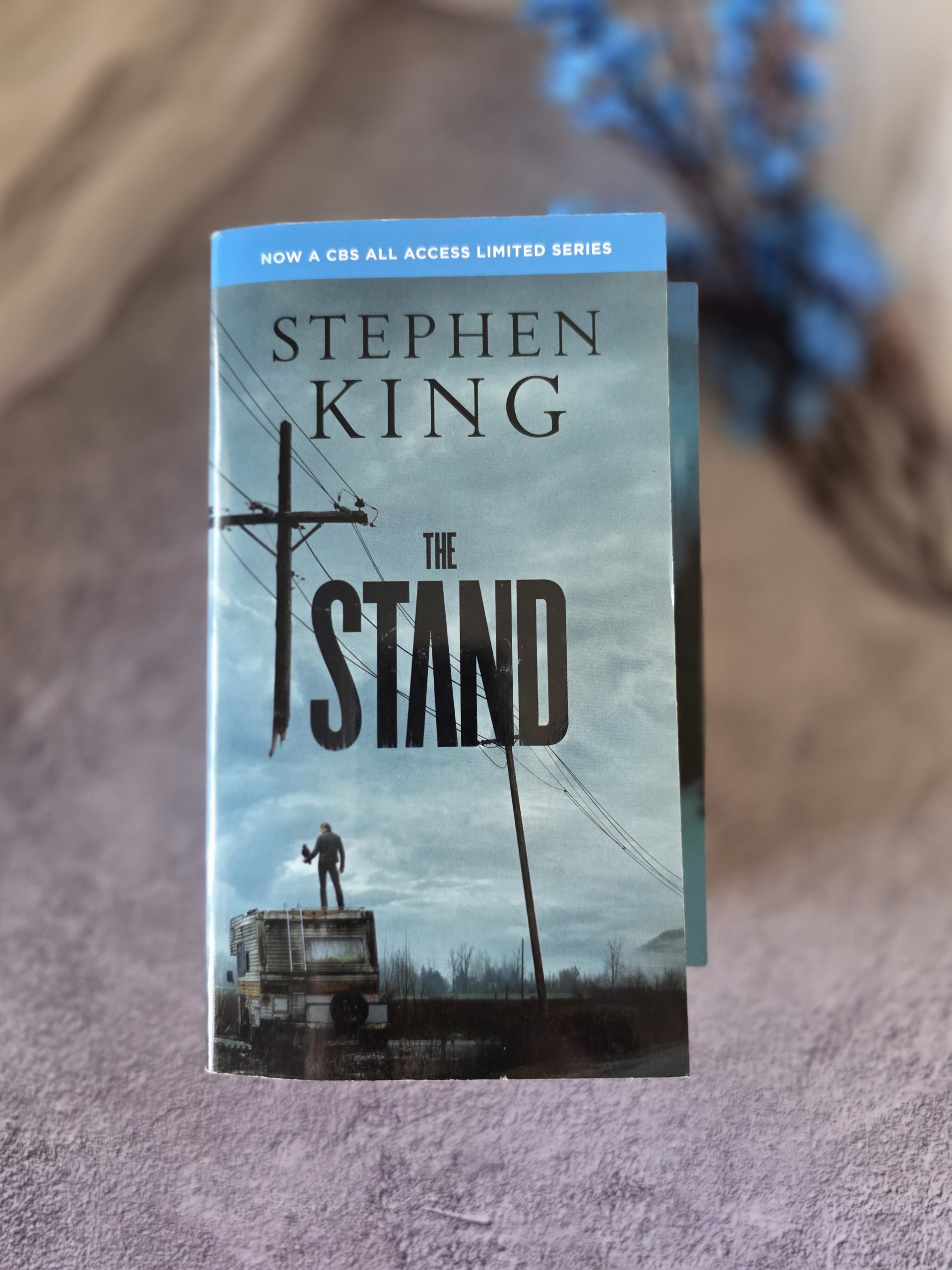
 Every now and then, I read a book that feels less like a story and more like a place I’ve lived in for a while. The Stand is exactly that sort of experience. Even though it was written in the late 1970s, this sprawling, post‑apocalyptic epic feels startlingly current, especially after the last few years. King’s “superflu” premise (Captain Trips wiping out 99.4% of humanity) hits with an eerie resonance, but what truly anchors the novel is the cast of characters who feel so vivid, so human, that closing the book feels a bit like saying goodbye.
The plot follows the survivors of the pandemic as they gravitate towards two opposing forces: the benevolent, deeply spiritual Mother Abagail, and the malevolent Randall Flagg, whose presence is unsettling long before he steps fully into view. Characters like Stu, Frannie, Nick, Larry, Glen, Tom, Kojak, Lloyd, and the unforgettable Trashcan Man form the emotional backbone of the story. King gives each of them a past, a flaw, a fear, and a spark of hope, and it’s impossible not to grow attached. Even the so‑called “bad guys” are written with such nuance that you understand the human messiness behind their choices.
 What struck me most is how King balances the familiar warmth of a character‑driven narrative with a constant, creeping tension. Reading The Stand feels like settling into a cosy room only to realise there’s something lurking just out of sight. That slow‑burn dread is part of what makes the book so special. King isn’t just writing about good versus evil; he’s exploring society, morality, community, and the fragile scaffolding that holds civilisation together. The sociological and political threads woven through the story fascinated me just as much as the supernatural ones.
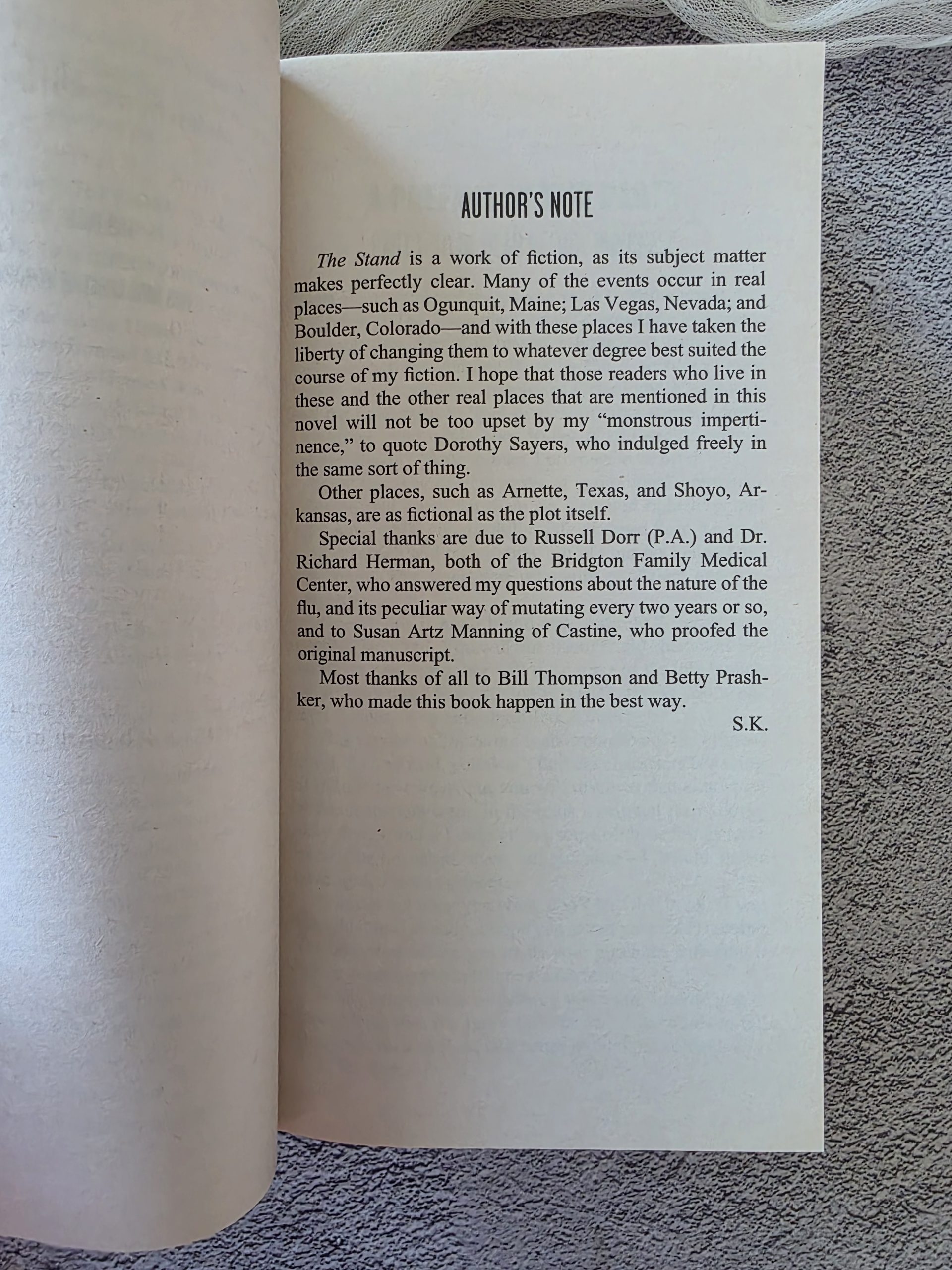
Despite its intimidating length, especially the extended edition, it never felt bloated. Almost everything serves a purpose, and the pacing, though deliberate, is immersive rather than slow. I found myself thinking about the characters even when I wasn’t reading, and yes, feeling a bit guilty for putting the book down. That’s always the sign of a great read.
 Readers who enjoy post‑apocalyptic fiction, character‑driven epics, or morally complex narratives will find a lot to love here. It’s also a brilliant entry point for anyone curious about King beyond his more traditional horror. That said, his portrayal of women hasn’t aged perfectly, and some elements feel very much of their time; but the emotional and thematic weight of the story more than carries it.
The Stand is monumental: ambitious, unsettling, strangely comforting, and deeply human. It’s one of those rare books that lingers long after the final page, its characters and questions echoing in the mind. I understand now why so many readers call it King’s masterpiece. I think I might agree.